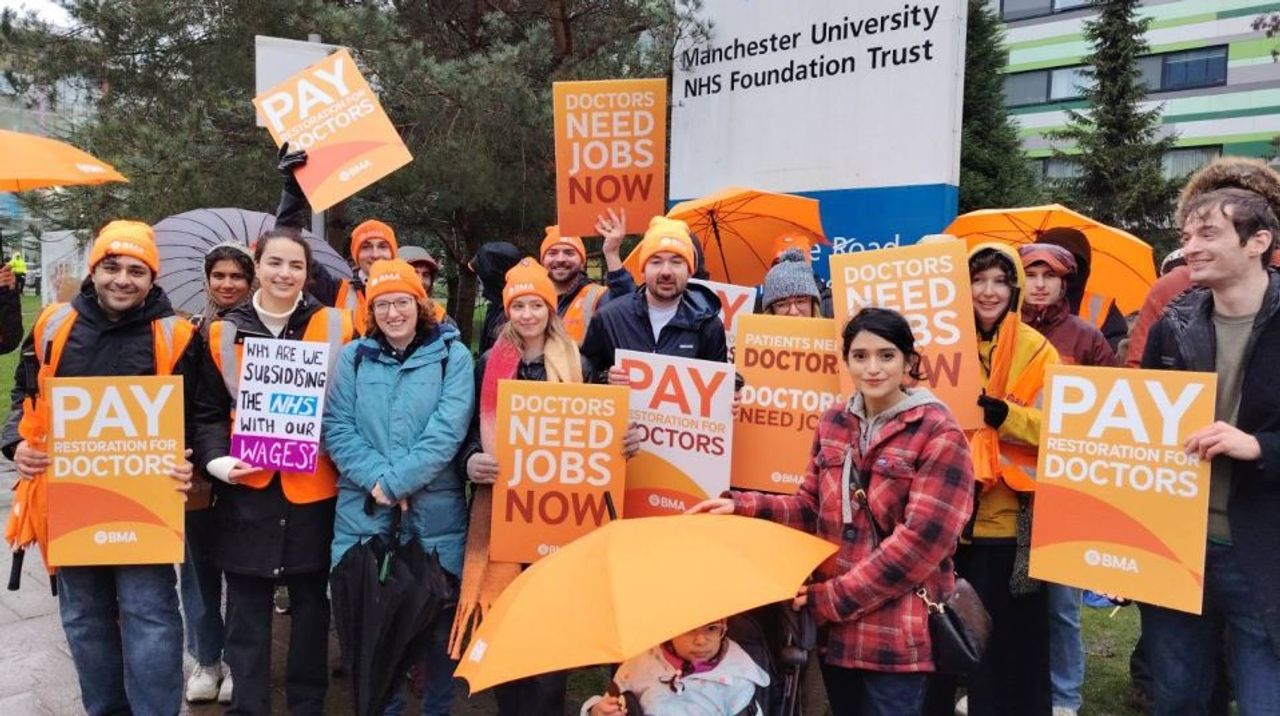
Doctors' rejection of Streeting's offer vindicates NHS FightBack's call last week for a No vote.
Streeting moved not an inch to address the core demands of resident doctors. Pay restoration, secure training opportunities, and stable jobs for new graduates are ignored. Instead, resident doctors are presented with a fob-off: a promise to “ensure consistent implementation” of existing contractual entitlements; funding of mandatory Royal College membership, portfolio and exam fees; and an expansion of specialty training posts to 4,000 over three years.
These are not additional posts, but repurposed positions taken from locally employed doctors (LEDs), while 20,000 applicants were shut out this year alone. The offer includes divisive legislation to “prioritise” UK graduates over international medical graduates, which the BMA does not oppose. Its purpose is to pit doctor against doctor and fracture unity.
The overwhelming rejection of Streeting’s deal is an indictment of the BMA Resident Doctors Committee (RDC), which had no basis for putting it before their members. RDC chair Dr Jack Fletcher had even admitted that there was nothing in the offer on pay or new jobs. Seeking a climbdown and knowing that to call off the strike would have been political suicide, the leadership hoped a snap poll would achieve the same result.
As soon as it was rejected, Fletcher immediately offered Streeting the RDC’s continued services. “This week’s strike is still entirely avoidable,” he declared, pledging to work with the health secretary to find a “credible offer.”
Yet again, the RDC is restricting the number of picket lines at hospitals this week to a bare minimum, just as they did in November and previously, with only 16 advertised by the BMA out of 700 hospitals in England. This isolates resident doctors from the wider support they could mobilise among NHS colleagues and the working class.
It underscores the need for the rank and file to take the dispute out of the hands of the BMA leadership. The fight of resident doctors must become the launch pad for united action by all NHS workers against Labour’s broader agenda of gutting social spending to pay for military rearmament and war.
The Starmer government is accelerating NHS privatisation, using waiting lists to justify expanded outsourcing, including £2.5 billion to private providers for an extra million treatments a year. Labour’s “10 Year Health Plan” revives the Private Finance Initiative in all but name, to construct 250 “Neighbourhood Health Centres” in partnership with the private sector.
Meanwhile, Labour has announced a US-driven drug pricing agreement draining £1–3 billion from NHS budgets over three years, which will result in more than 15,000 avoidable deaths annually. Yet pay restoration for resident doctors—costing just £1.7 billion—is dismissed as “unaffordable”.